

Not Fun for Everyone: Why Food Insecurity Increases During the Summer
When you think of summer, you may picture long, lazy, days at the pool, dripping popsicles on the porch or vacations with family and friends. For many, however, summer has a much different tone. We often think of those experiencing food insecurity around the end of the year, with Thanksgiving, Christmas and other food-centric holidays. But summer is actually the hardest time of year for those who routinely experience hunger, especially kids.
Why is Summer Hard?
During the school year, many children and families rely on free or reduced-price meals provided through the National School Lunch Program (NSLP) and the School Breakfast Program (SBP). In fact, during federal fiscal year 2022, 30.1 million students, over 60% of all public-school students, received a free or reduced-price lunch through the NSLP.
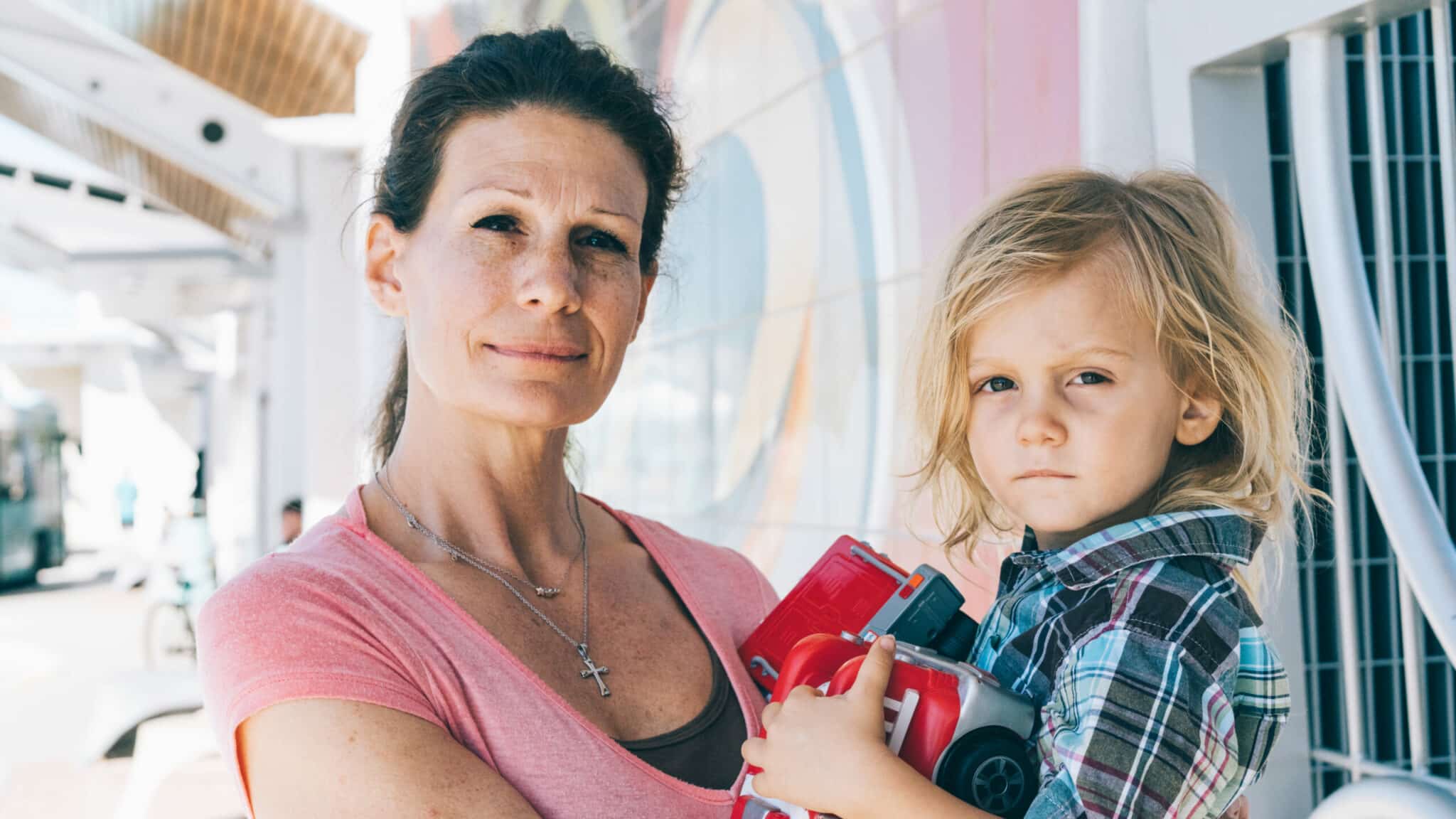
Here in our service area, a shocking 1 in 7 individuals and 1 in 6 kids are food insecure.
Programs like our BackSnack and School Panty programs help supplement kids’ diets and relieve the financial burden of their families during the school year. However, when school is out, those meals go away. And when they go away, many are left not knowing exactly how to get enough food on the table.
The added cost of childcare during the summer months also greatly reduces families’ ability to afford food. Some parents make the hard choice to stay home with their kids to keep them safe at the cost of being able to afford the basics, often skipping meals to make sure their kids have enough.
Hunger’s Impact on Kids
Hunger is more than just a rumbling tummy. Chronic hunger has the potential to cause serious issues that stay with children for a lifetime.
- Physical Health: Inadequate nutrition can lead to various health issues, physical developmental delays, weakened immune systems and increased susceptibility to illnesses. Children may also experience weight fluctuations and other symptoms of malnutrition.
- Cognitive Development: Proper nutrition is crucial for brain development. Food insecurity can impair cognitive functions, affecting a child’s ability to concentrate, learn and perform well academically and socially.
- Emotional Well-being: The stress and anxiety associated with food insecurity can take a toll on a child’s mental health. Children who do not have consistent access to food may experience feelings of shame, embarrassment and insecurity, which can affect their overall well-being and self-esteem.
There is Hope!
As bleak as all of this is, there are actually many resources available for families during the summer months:
Partner Agencies
Harvesters partners with more than 900 agencies in our service area to provide high quality, healthy food to families, including pantries, shelters and other organizations. The broad range of operating hours means there is a good chance most people can find a few options that work with their schedule.
Click here to find food assistance near you.
Mobile Distributions
Harvesters offers weekly mobile distributions across our region to conveniently bring food to those who need it. These include health care centers, bus stops and a wide variety of other non-traditional locations. We’re always updating our mobile offerings, so make sure to stay tuned!
An updated list of upcoming mobile distributions can be found here.
Summer EBT: (Sun Bucks)
Summer EBT is a new federal nutrition program. Many families in Kansas and Missouri could qualify to receive $120 per child in the household to help cover the cost of meals this summer. To find out more about the program, if your child is eligible and if you need to and how to apply, click here.
How to Help
As the need increases for our neighbors, our need for donations follows suit. You have the power to make this summer brighter for families and children in your neighborhood. Whether by donating money or food, giving your time by volunteering, or lending your voice through advocacy, your generosity makes an impact that will last a lifetime!